
Barcelona Event
Neighbourhood Map
Districts and Venues
A district-by-district guide to Barcelona’s event geography — where the conferences are, where the delegates stay, and which neighbourhoods suit which format.
Barcelona has ten official districts and one municipality immediately adjacent — L’Hospitalet de Llobregat, home to Fira Gran Via. Each has a different character, a different venue ecosystem and a different relationship to the conference complex. Understanding which district suits your brief before you start shortlisting venues is how you avoid booking a great space in the wrong part of the city.
Barcelona — All Districts
All 10 official Barcelona districts + L’Hospitalet de Llobregat. Click any district for breakdown and venue intel.
Geographic layout north to south — click any active district to jump to the full breakdown. Hover residential districts for notes.
★ = Full breakdown below · Dashed border = outside Barcelona city boundary · Hover greyed districts for notes
District Breakdown
Each district rated for event type, conference proximity and delegate logistics.
L’Hospitalet — Fira Gran Via
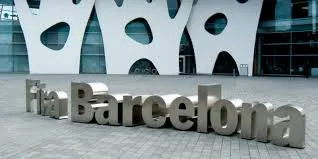
The municipality of L’Hospitalet de Llobregat borders Barcelona to the west and is home to Fira Gran Via — the 200,000 sqm exhibition complex that hosts ICE World Gaming Week (January), MWC (March), ISE (February) and several other major shows each year. As a residential and industrial district with no meaningful tourist footprint, it transforms entirely during conference weeks: 60,000+ professionals converge in a zone built around the show floor.
The strategic logic for event planners is simple: being within walking distance of the show floor means delegates actually turn up. Every step away from Fira costs you attendance. The two best private event venues in this zone are Skyfall — Richard Rogers’ 360° glass dome on the 29th floor of the adjacent Hyatt Regency Barcelona Tower — and Cúpula Las Arenas, the converted bullring on Plaça Espanya directly between Fira and Montjuïc. Both deliver the proximity that matters most during ICE and MWC week, when 20,000 people are trying to get across the city at the same time. CH3 produced the Betfred networking reception at Skyfall during ICE week.
Montjuïc
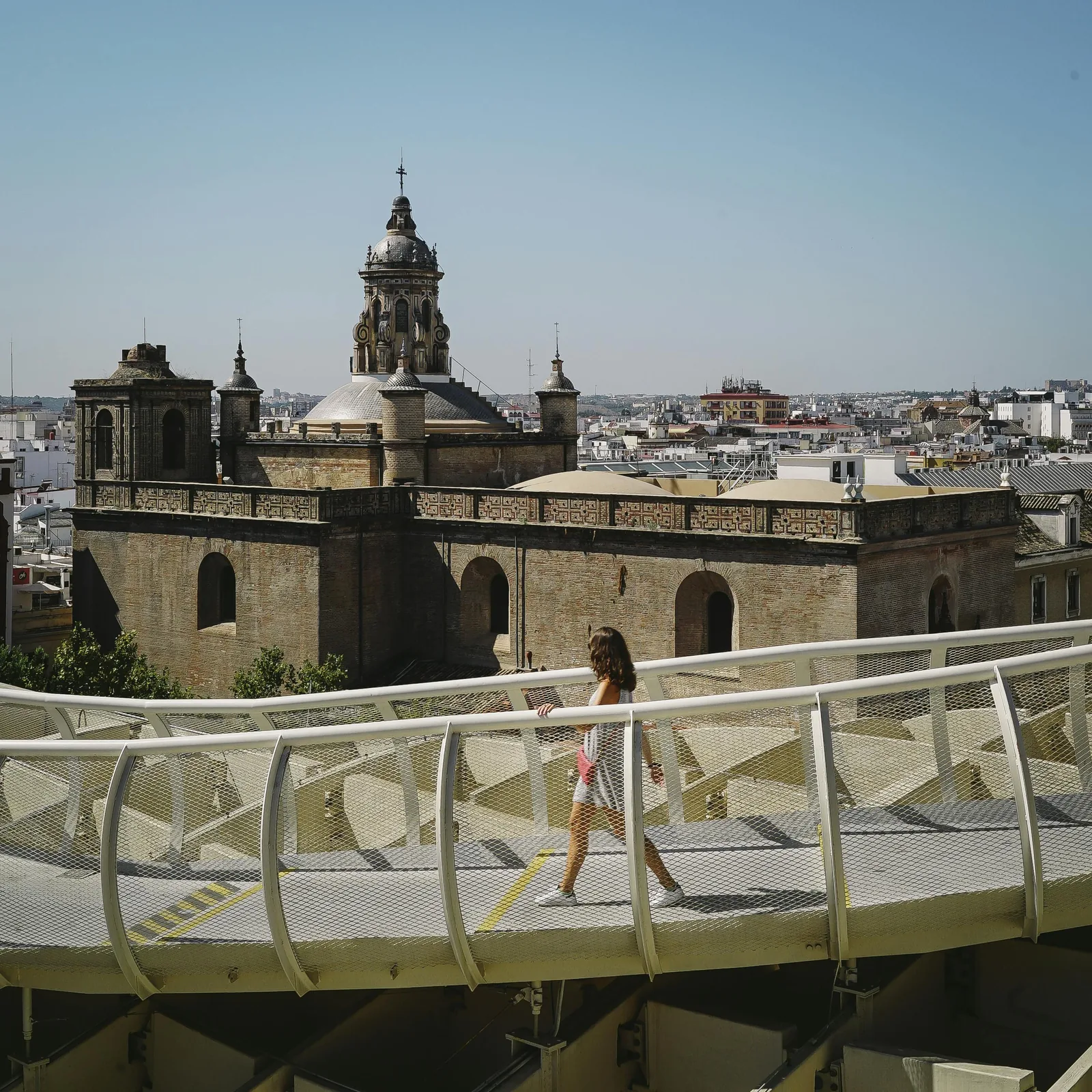
The hill of Montjuïc rises above Plaça Espanya at the southwestern edge of the city — a 184-metre park containing the highest concentration of prestigious event venues in Barcelona. The 1929 International Exhibition left behind Poble Espanyol and the Palau Nacional (now MNAC); the 1992 Olympics added Palau Sant Jordi. Between them sits Fundació Joan Miró, Pavillon Mies van der Rohe and Terrassa Miramar — all within a single hillside that you can programme as a multi-venue cluster for large delegations.
Montjuïc is the natural home of programme-closing galas and large conference receptions. The scale of Poble Espanyol (7,700 pax across 40,000 sqm), the grandeur of MNAC’s Oval Room and the arena capacity of Palau Sant Jordi make this the only part of Barcelona where you can accommodate truly large-format events in a non-tradeshow setting. Accessible from the Fira Gran Via complex via Plaça Espanya in 10–15 minutes, making it the default evening destination during ICE and MWC weeks. CH3 has produced multiple large-scale events at Poble Espanyol, including Avalanche Summit I (3,000 guests) and Avalanche Summit II (3,800 guests).
Eixample
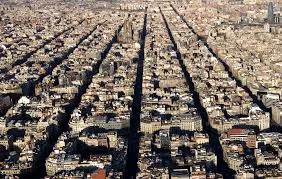
The Eixample — Ildefons Cerdà’s 19th-century grid expansion of Barcelona — is where most conference delegates stay. The major Passeig de Gràcia and Gran Via hotels, boutique properties like the EDITION and Casa Bonay, and Modernista landmarks including Casa Batlló are all concentrated within a walkable radius. This makes Eixample the path of least resistance for evening events during MWC and ICE week: delegates walk out of their hotel and into the event rather than queuing for an Uber.
The venue ecosystem is equally diverse: Antiga Fàbrica Damm offers industrial character at 300 pax; Blanc Royale and Brooklyn Loft suit media activations and branded networking; Casa Batlló and Casa de les Punxes provide Modernista prestige at scale; and the EDITION Roof, Casa Bonay Libertine and Universitat de Barcelona offer intimate executive formats for 20–150 guests. With a 15–20 minute transit to Fira Gran Via, Eixample programmes are accessible without feeling adjacent to the show floor — the right distance for an exclusive evening that feels like a different world.
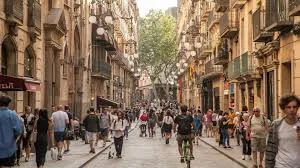
El Born & Gothic Quarter
El Born — the medieval district between the Gothic Quarter and Barceloneta — is Barcelona’s most concentrated zone for cultural event venues. The neighbourhood’s narrow stone streets, medieval palaces and 19th-century iron markets create an atmosphere no hotel ballroom can replicate. Carrer Montcada alone contains the Museu Picasso, once home to Picasso’s formative years. La Llotja de Mar, on the waterfront edge of the district, was built in 1392 and still commands the seafront where Catalan maritime power once centred.
El Born is particularly strong during EBC (European Blockchain Convention) week in September, when the district fills with crypto and Web3 founders who gravitate towards its creative, non-corporate character. The Gothic Quarter’s La Llotja de Mar delivered Celo Connect Conference in April 2022 — the Celo Foundation’s first-ever physical global conference. For events that want cultural credibility and historic atmosphere over conference-centre functionality, El Born is the correct district.
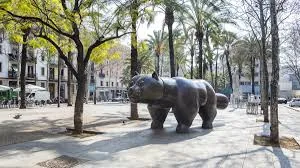
Raval
The Raval sits west of the Gothic Quarter and borders El Born — historically one of Barcelona’s most working-class and multicultural districts, now anchored by the MACBA contemporary art museum and the CCCB cultural centre on Plaça dels Àngels. The district has a creative, alternative character that attracts a younger, design and tech-adjacent crowd and has gentrified significantly around the museum plaza while retaining a rawer energy away from it.
For event planners, the Raval’s most relevant venue is Convent dels Àngels — a 16th-century former convent directly adjacent to the MACBA, available for exclusive hire. The combination of bare stone Gothic architecture and contemporary minimalism makes it a strong choice for gaming, esports and creative tech brands that want Barcelona’s cultural credibility without the formality of a heritage gala venue. The Raval location signals an editorial sensibility that resonates with creative and tech industry audiences.
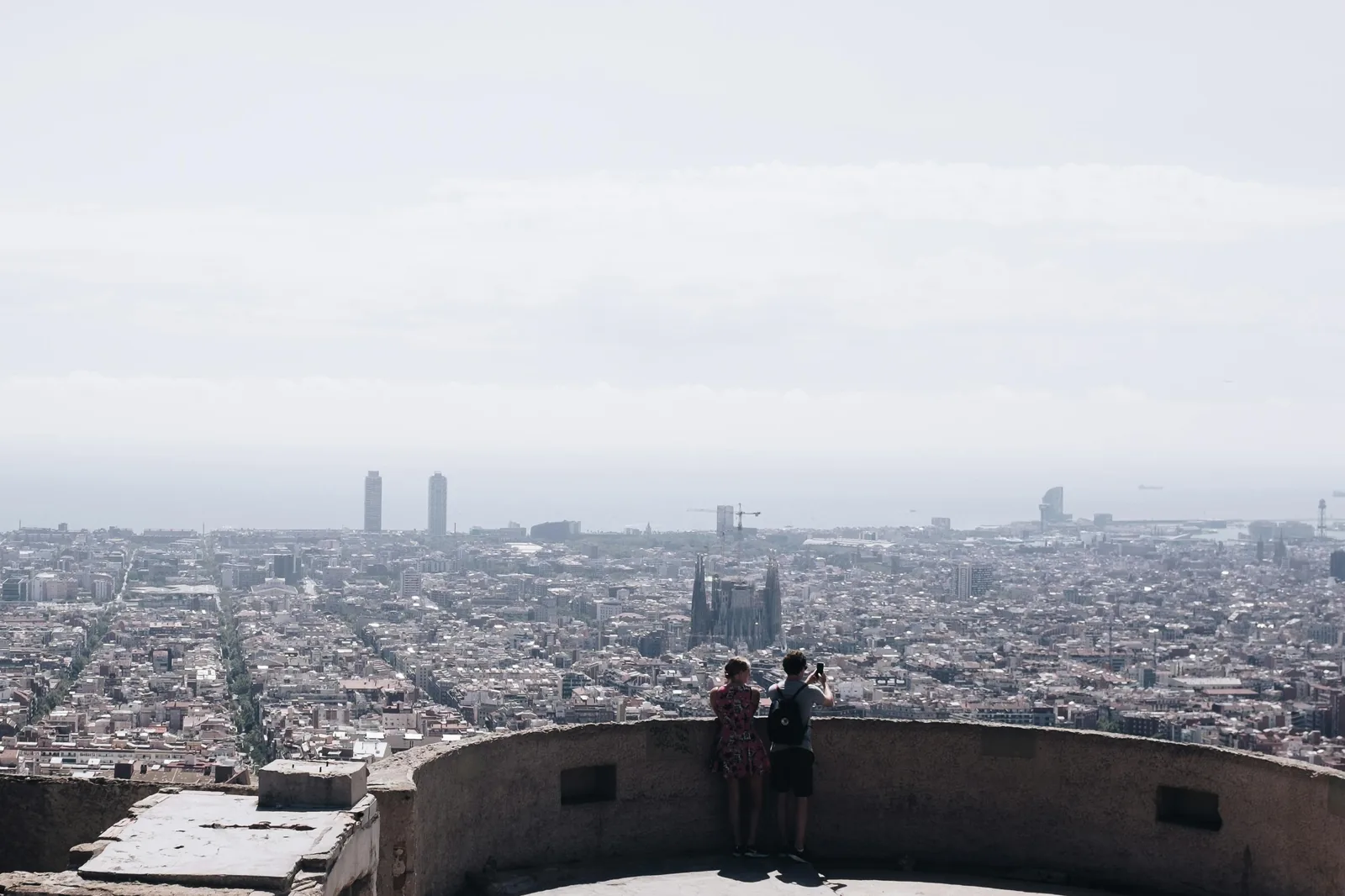
Poblenou / 22@
Poblenou — Barcelona’s former industrial waterfront — has undergone the most significant urban transformation of any Barcelona district in the past two decades. The 22@ innovation district designation in 2000 began converting former textile factories and printing works into tech offices, studios and creative spaces. Today it houses the CCIB congress centre on the waterfront, Torre Glòries (Jean Nouvel’s landmark bullet tower) at the district entrance, and the highest concentration of large-format warehouse event spaces in Barcelona.
For event planners, Poblenou’s value is raw square footage and production flexibility — ceiling heights, floor plates and loading access that Eixample and El Born simply cannot provide. The warehouse circuit fills with conference satellite events during MWC week particularly. CCIB hosts major congresses year-round (Gartner IT Symposium in November, Gartner Supply Chain in May) and functions as a fully professional conference centre alternative to Fira Gran Via. Torre Glòries hosts tech events regularly during MWC week. CH3 has established venue relationships in the district for priority access during peak periods.
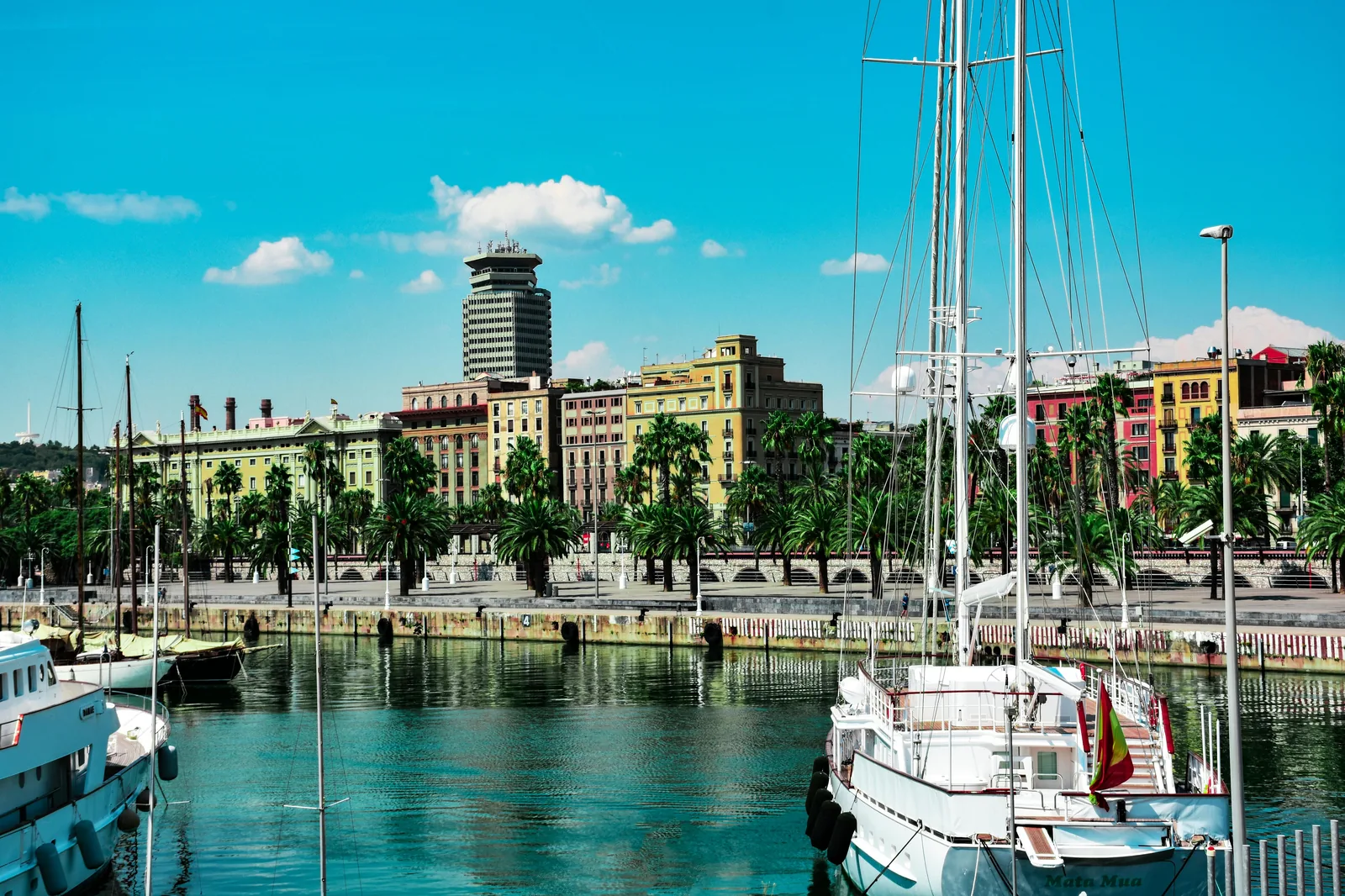
Barceloneta & Port Vell
Barceloneta is Barcelona’s beach neighbourhood — a dense 18th-century grid of narrow streets that extends onto a peninsula between Port Vell (the old port) and the sea. The neighbourhood is tourist-heavy in summer but has a genuine residential character year-round, with a strong seafood restaurant culture and a maritime identity distinct from the rest of the city. Marina Port Vell — the superyacht marina at the edge of the old port — hosted the 37th America’s Cup and is one of the most prestigious nautical settings in the Mediterranean.
For event planners, Barceloneta and Port Vell offer waterfront venues that deliver a distinctly Mediterranean experience — impossible to replicate in any inland Barcelona district. Sea Garden at Marina Port Vell accommodates 485 guests across 490 sqm of garden and terrace with marina views. Museu Marítim — the 13th-century Royal Shipyards at Drassanes, at the edge of the Gothic Quarter — is one of the most architecturally extraordinary venues in the city. Both work best for summer and shoulder-season events (May–October) where outdoor programming can be relied upon.
Sarrià & Upper City
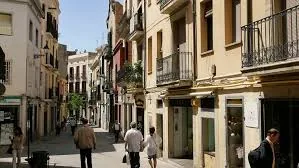
Sarrià is one of Barcelona’s most distinguished upper-city neighbourhoods — a former independent municipality absorbed into Barcelona in 1921 that retains its own village square, local market and quiet residential character. Situated in the foothills below Tibidabo on the northwest edge of the city, it is genuinely removed from the conference-week energy of Eixample and the waterfront. The wealthier areas of Sarrià-Sant Gervasi are among the most expensive residential zones in the city.
For event planners, Sarrià offers something most Barcelona districts cannot: the feeling of being somewhere entirely private. Torre Amat — a 19th-century Modernista country house declared a Historic Heritage Site — accommodates up to 300 guests across interior and manicured gardens. IMO provides an intimate residential-scale venue for executive dinners and brand experiences where discretion and calm are the brief. Both venues suit events where the objective is to make a senior audience feel like guests in a private home rather than attendees at a corporate event.
Gràcia
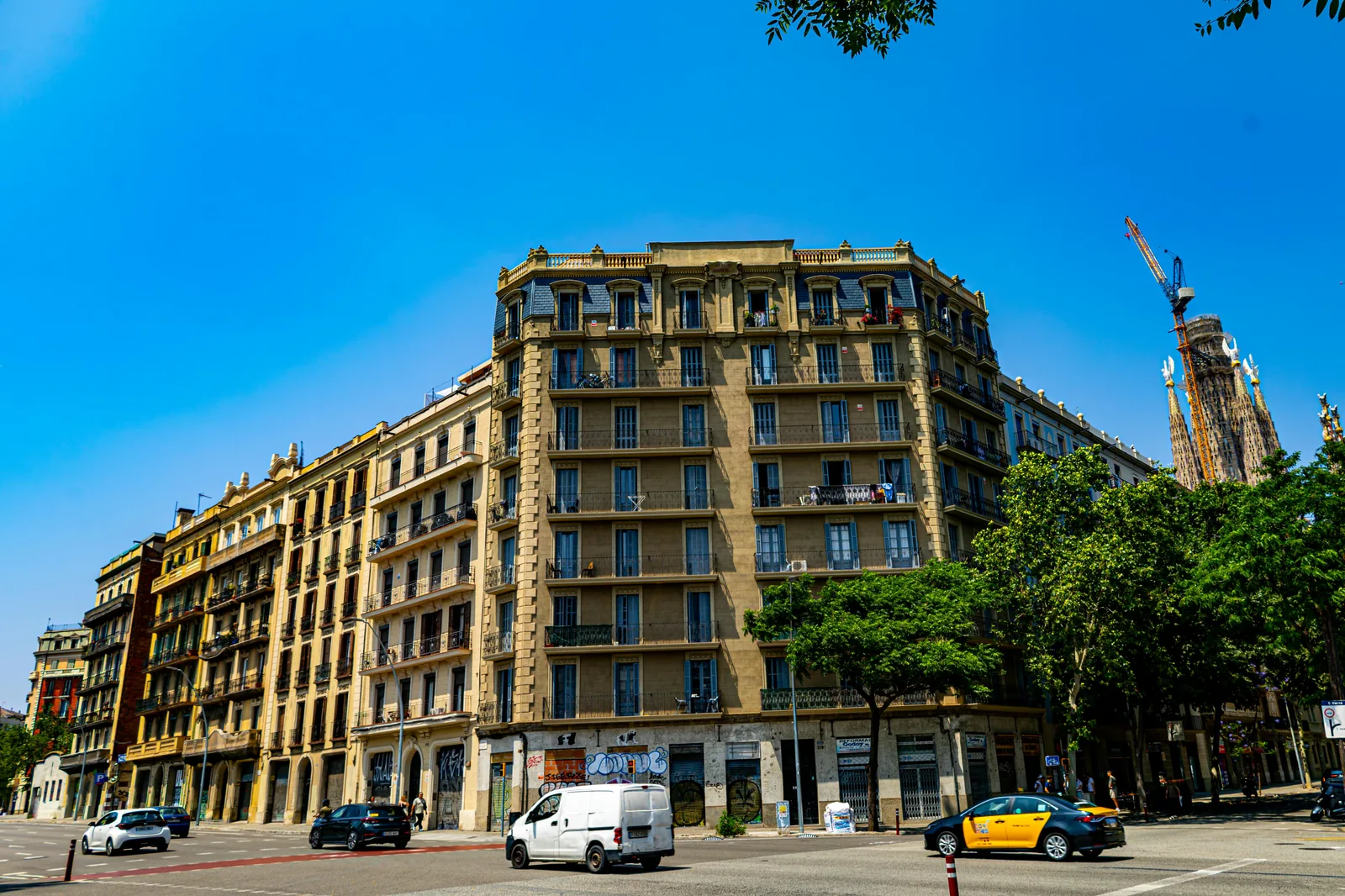
Gràcia was an independent municipality until 1897 and still behaves like one — its own village squares (Plaça del Sol, Plaça de la Vila de Gràcia), its own festival week in August, its own rhythm. Sandwiched between the upper Eixample and the Sarrià hills, it is Barcelona’s most genuinely local neighbourhood at the edge of the tourist belt: bohemian without being affected, residential without being quiet. Increasingly popular with the digital nomad and creative tech crowd that has moved up from El Born as rents have risen.
For event planners, Gràcia suits creative industry gatherings and off-conference dinners for audiences who specifically want to feel somewhere real. It has no landmark event venues comparable to El Born or Eixample, but its restaurant buyouts, private terrace bars and charming plazas work well for informal networking dinners of 20–80 guests where local character matters more than production scale.
Poble Sec
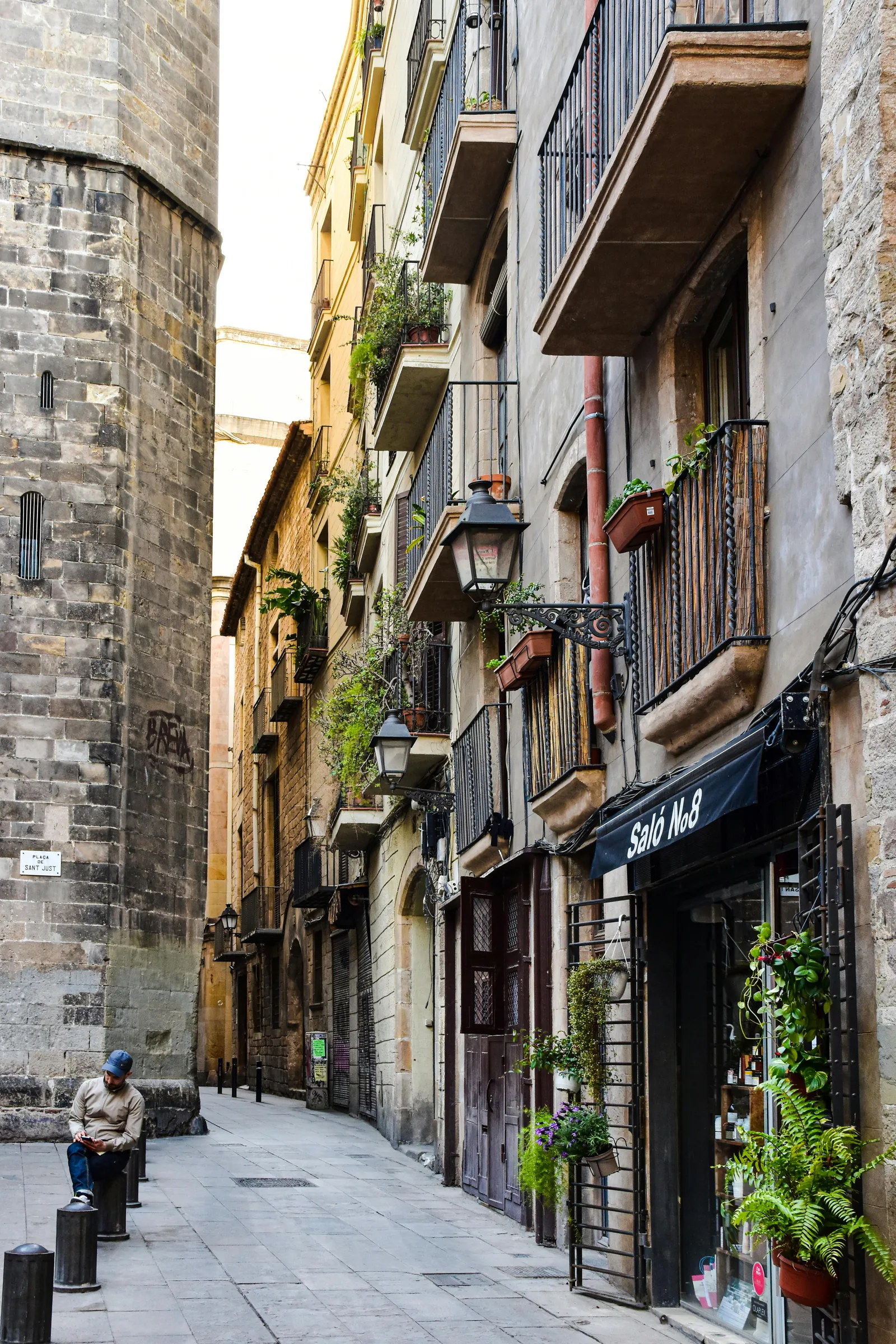
Poble Sec sits on the lower slopes of Montjuïc between the Eixample and the hill — a working-class neighbourhood that has gentrified steadily without losing its local identity. Carrer de Blai, its main pedestrian street, is Barcelona’s best-known pintxos row: a dense strip of Basque-style bars that come alive in the early evening. The neighbourhood is within walking distance of Montjuïc’s event cluster and sits directly below Poble Espanyol, making it a natural informal continuation of any large hillside production.
For event planners, Poble Sec works primarily as a pre- or post-event dining zone rather than a primary event district. It is excellent as the relaxed continuation of a large Montjuïc gala — a short downhill walk from Poble Espanyol to Carrer de Blai where delegates decompress over pintxos and txakoli after a formal production. Its position between Fira Gran Via and Montjuïc also makes it useful for informal pre-ICE or pre-MWC gatherings before the show floor opens.
Les Corts
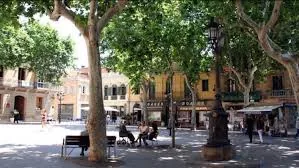
Les Corts is an upper-middle-class residential district on the western edge of the city, bordered by Sarrià-Sant Gervasi to the north and Sants-Montjuïc to the south. Its defining asset for event planners is Camp Nou — the FC Barcelona stadium and the largest venue in Spain at 79,354 capacity, complemented by Palau Blaugrana at 7,585 capacity for smaller arena-format productions. Between them, the Spotify Camp Nou complex represents a concentration of event infrastructure unavailable anywhere else in the city.
Beyond the stadium zone, Les Corts contains Pedralbes — one of Barcelona’s wealthiest residential areas — with a small number of private villa and garden venues suited to exclusive executive events that want the calm of the upper city without the distance of Sarrià. For large-format corporate events, product launches or concert-scale activations that need stadium architecture, Les Corts is the only answer in Barcelona. For brands associated with FC Barcelona — sponsorship activations, media launches, partner events — access to the stadium complex can be secured through club commercial channels, which CH3 navigates as part of the production scope.
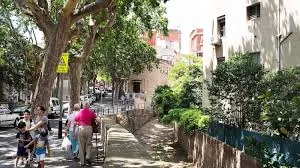
Horta-Guinardó
Eleven areas across Barcelona’s northeastern hills between Gràcia and Sant Andreu. Primarily residential and working-class, with no conference or corporate event venue stock of note. The district is bounded by the Collserola hills to the north and drops down toward Gràcia and Sant Martí.
The exception is Parc del Laberint d’Horta — Barcelona’s oldest garden, dating to 1791, with a neoclassical labyrinth and formal grounds available for private outdoor events on specific dates. It is a genuinely rare and distinctive setting for daytime activations of up to 100 guests, but requires dedicated transport logistics from the city centre and significant advance planning with the city parks authority.
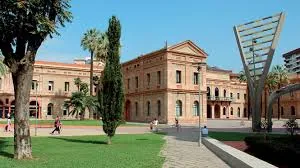
Nou Barris
Thirteen areas in the far north of the city — the most working-class district in Barcelona, bounded by Horta-Guinardó to the east, Sant Andreu to the south and the Collserola hills to the north. The district developed rapidly in the 1950s and 60s to house industrial workers migrating from southern Spain, and retains a strong local identity distinct from the tourist-facing city.
There are no event venues in Nou Barris with relevance to corporate or brand productions. The district is logistically accessible via the ring roads but has no audience pull, no hospitality infrastructure and no venue stock that would bring delegates here from the city centre or Fira Gran Via.
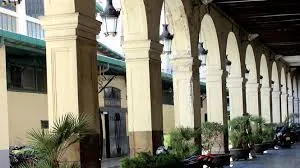
Sant Andreu
Seven areas in the northeast — an industrial and residential mix that is quietly undergoing its most significant transformation since the district was formally incorporated into Barcelona. The La Sagrera high-speed rail hub and associated urban regeneration is the driver: a new neighbourhood growing around the AVE interchange, bringing residential, commercial and eventually cultural infrastructure to a part of the city long overlooked by the event industry.
For event planners operating today, Sant Andreu has no established venue stock worth routing a production toward. The regeneration story is real and the district will matter in a decade — it does not matter yet. Check back in 2028.
Frequently Asked Questions
District selection, logistics and venue planning — answered for corporate event planners coming to Barcelona.
More Barcelona Intel
Barcelona Event Calendar
ICE, MWC, EBC and 10+ major conferences in 2026 — with hotel and venue pressure index by month.
View the full calendar →Barcelona Event Venues
34 venues across all 8 districts — landmark heritage spaces, rooftop domes, warehouses and clifftop estates.
Explore all venues →CH3 Barcelona Hub
See CH3’s full portfolio — from 3,000-person blockchain summits to 16-person executive dinners during MWC week.
Meet the Barcelona team →Need Help Choosing a District?
Tell CH3 your format, guest count, conference context and budget. We will recommend the right district and shortlist venues within 12 hours.
Send Your Brief → See All Barcelona Venues →