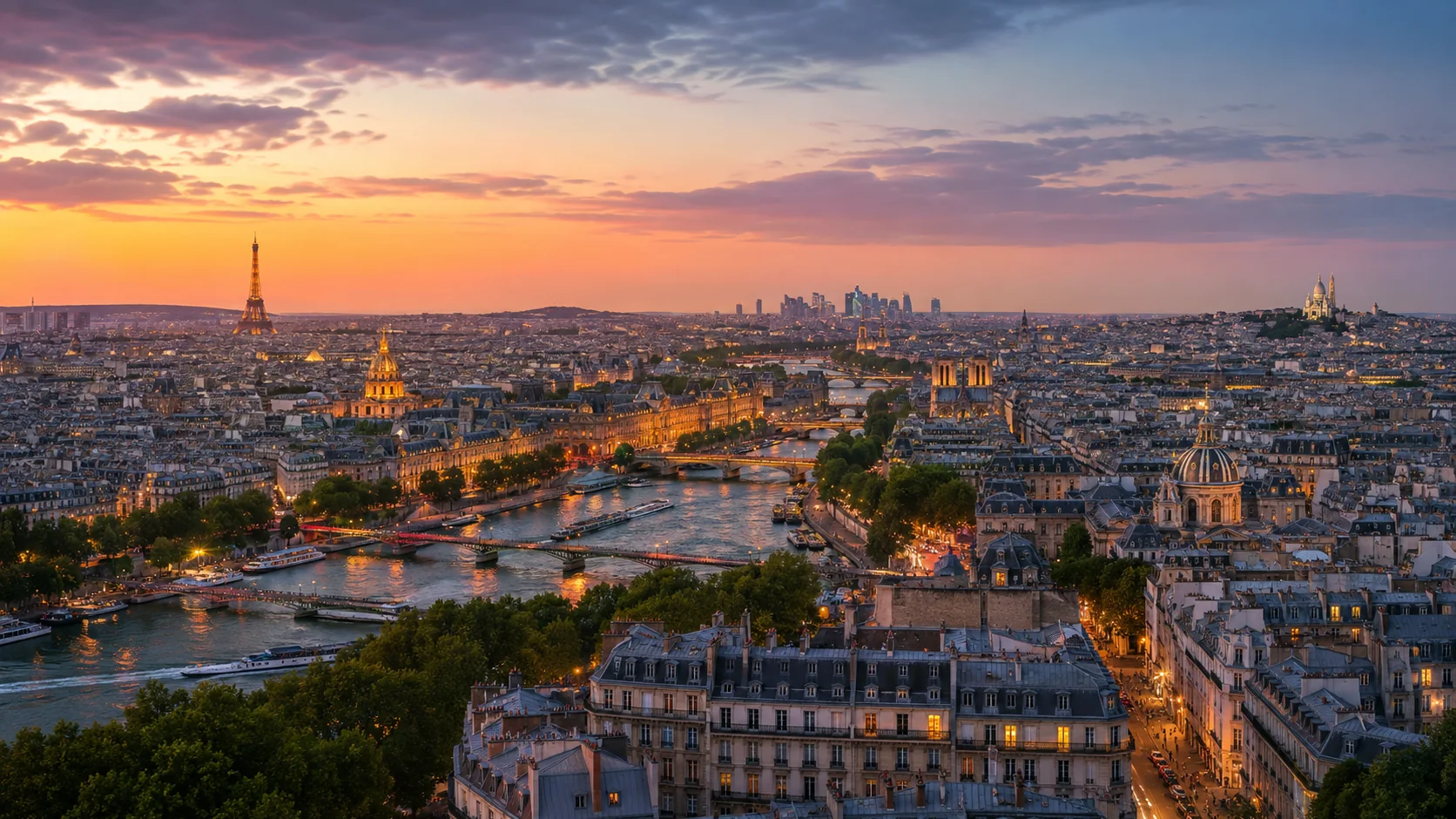
Districts and Venues
Paris is small, dense and divided into twenty arrondissements that each read differently to a guest — the number on the invitation sets expectations before anyone arrives, and crossing the city at 18:00 takes far longer than the map suggests. All ten districts are below, with the CH3 venue named wherever we hold one on record. The four marked as top picks are where we produce most often.
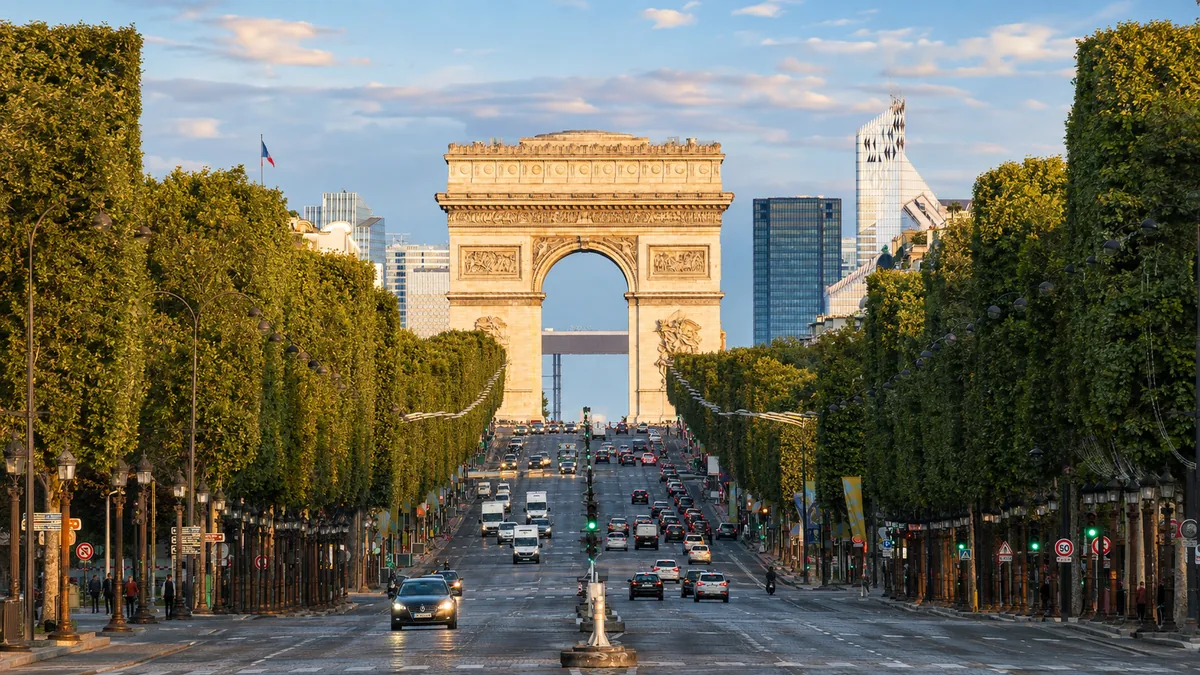
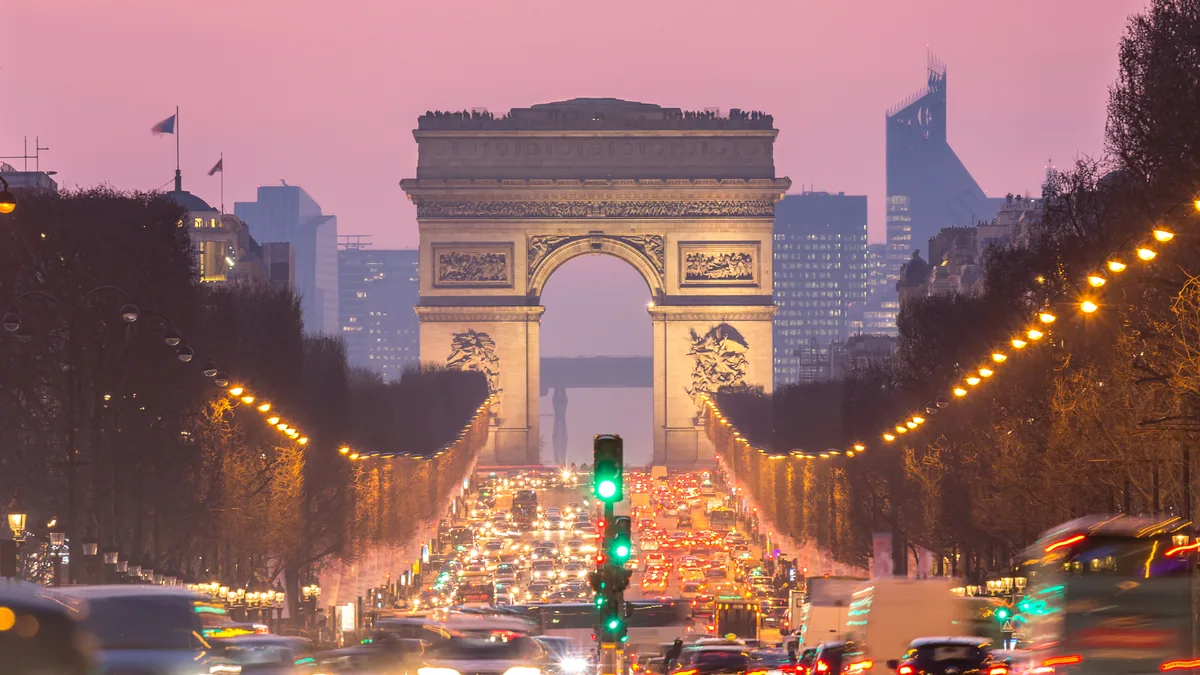
The prestige address, and where CH3 holds the most Paris venue relationships. Hôtels particuliers, palace hotels and private clubs along the Faubourg Saint-Honoré. CH3 produced M7 Real Estate’s black-tie company party for 175 guests at Angie here. Costs are the highest in the city, and it is the right call when the address itself is doing part of the work.
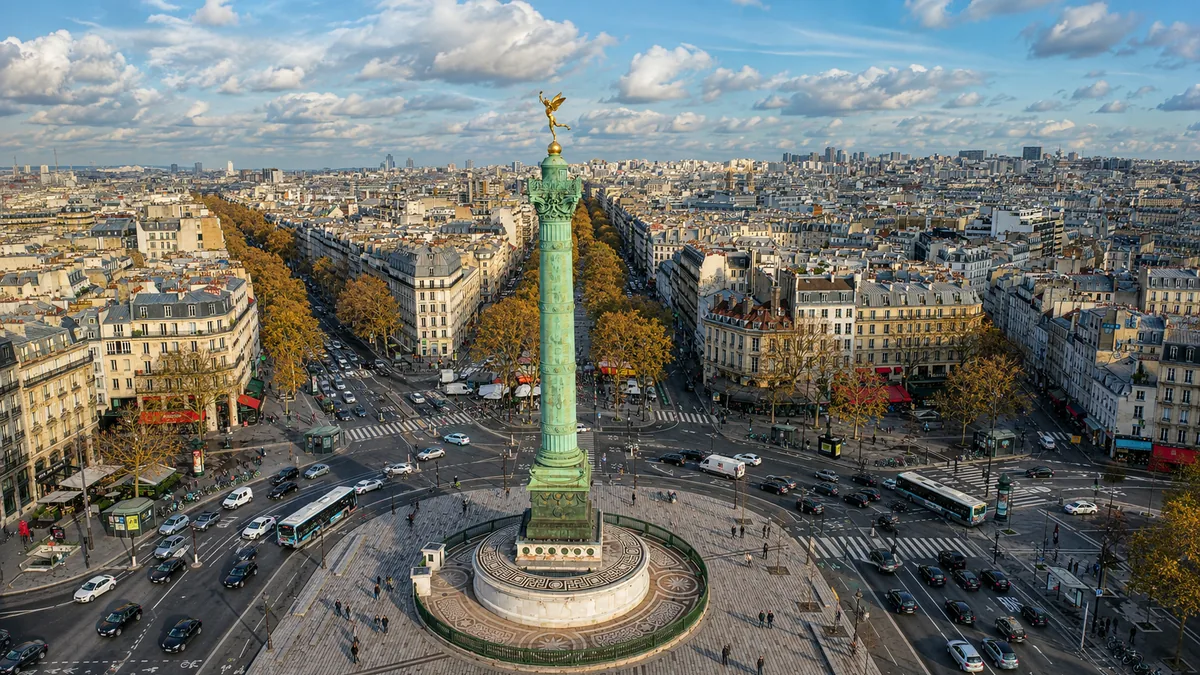
The east has the volume and the flexibility. Pan Piper, converted workshops and independent music venues take 300 to 500 guests without feeling like a convention hall — CH3 produced IoTeX’s R3AL WORLD conference for 500 here, the largest event in our Paris portfolio. Better value than the west, later licences, and load-in that works rather than load-in you negotiate.
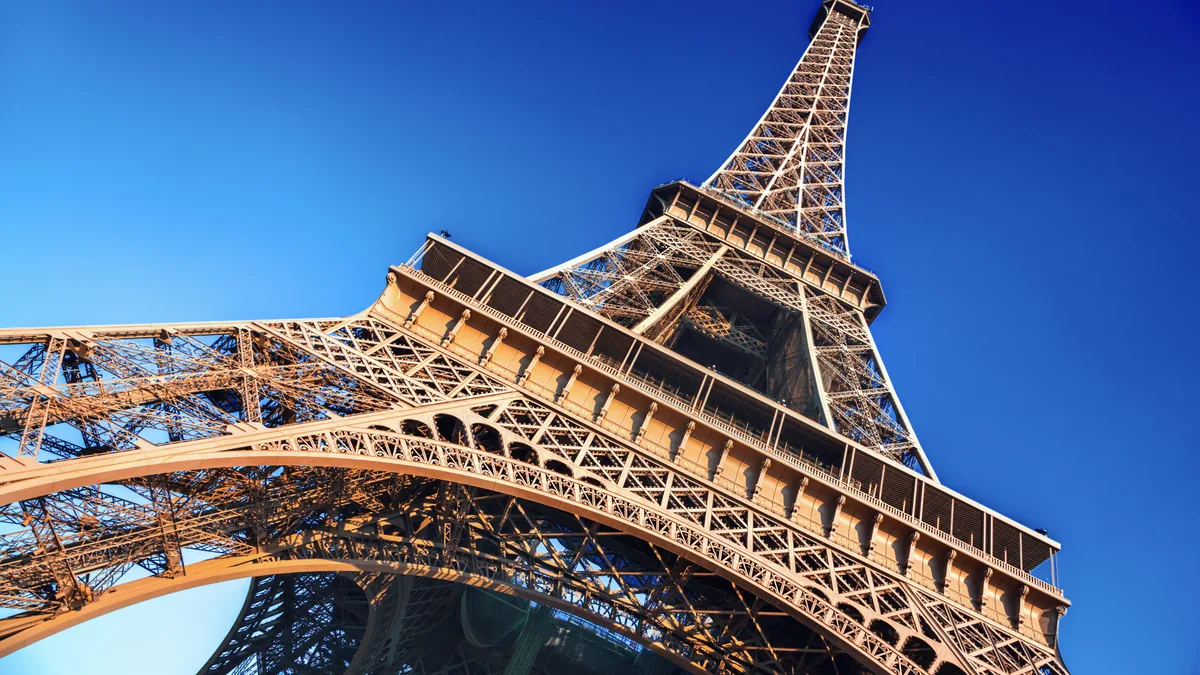
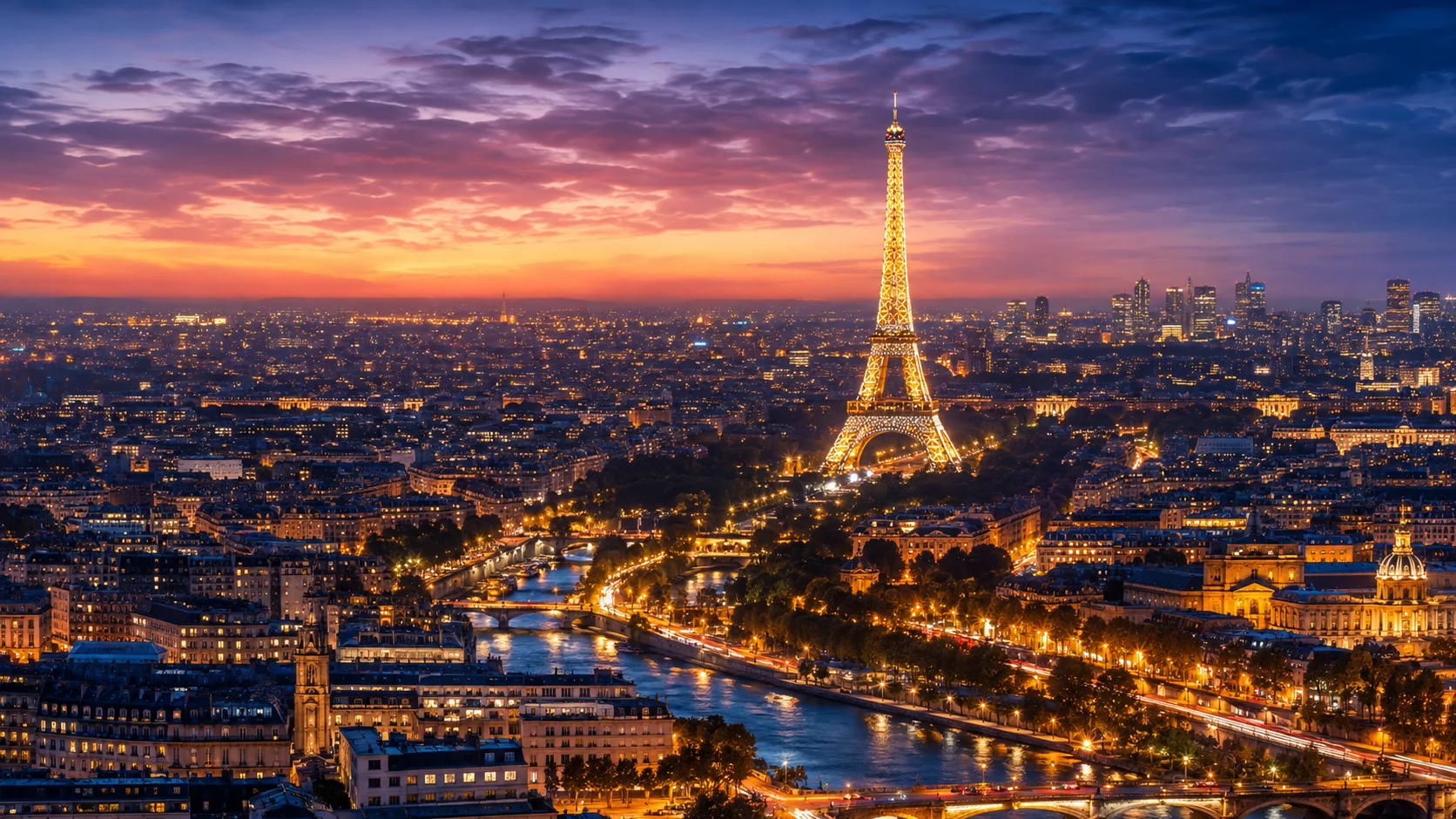
Where the large hotels and the exhibition traffic meet. CH3 produced App Growth Summit Paris at the Pullman Paris Tour Eiffel, with delegate networking on a terrace looking straight at the tower. Best for multi-day programmes that need room blocks in the same building. Effectively unbookable during the October fortnight unless you move very early.
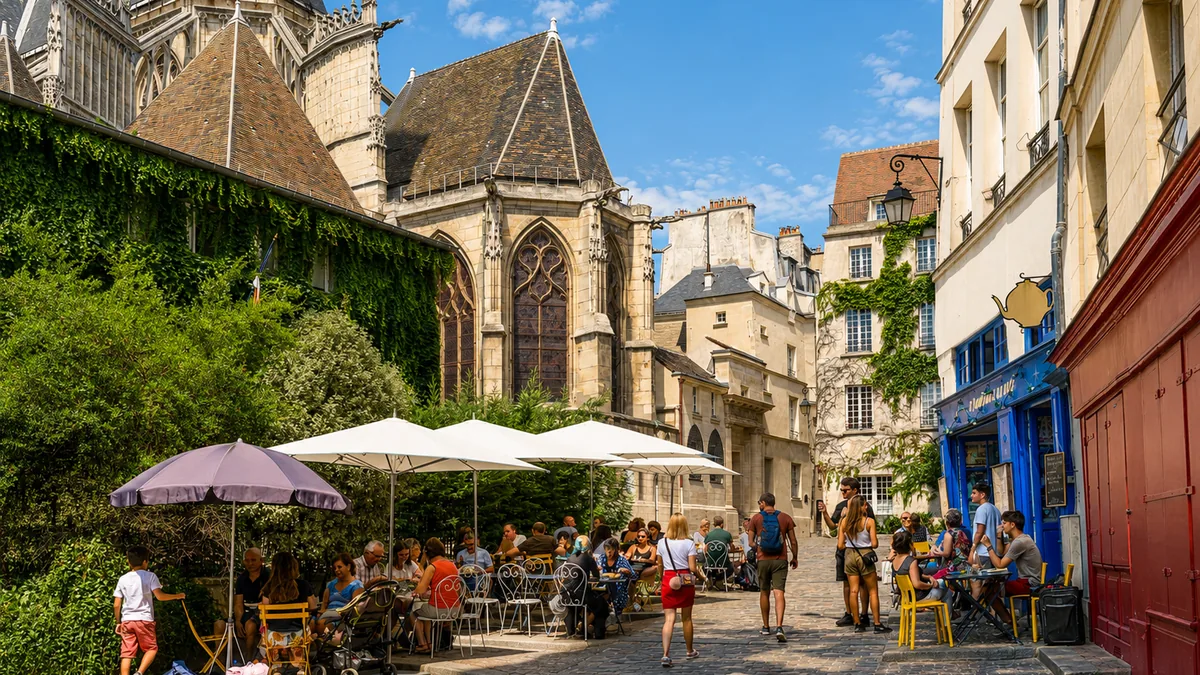
Courtyard hôtels particuliers, galleries and lofts across the 3rd and 4th. The right answer for dinners and activations between 20 and 100 guests, and for anything that wants texture rather than a ballroom. One production note that catches people out: the streets are narrow and the buildings are protected, so load-in windows are tight and often set by the city rather than the venue.
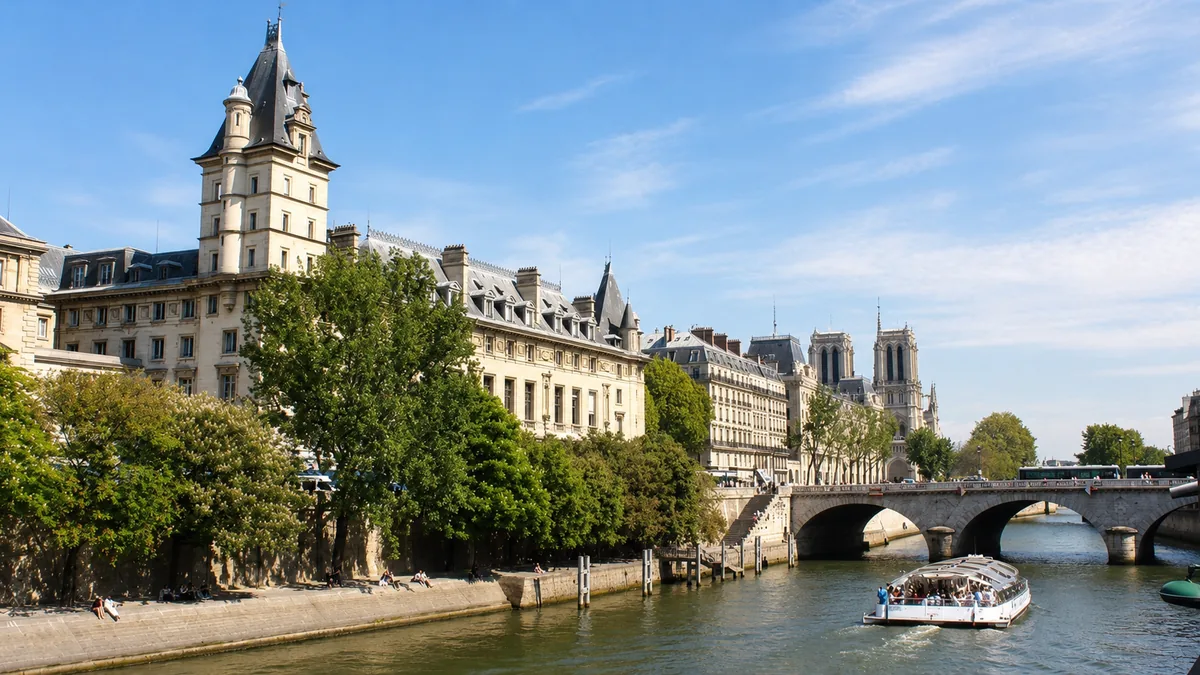
The Left Bank and the quais alongside it — chef’s tables, classic private dining rooms and the stretch of river where the dinner boats moor. CH3 produces riverside receptions and boat formats on the Seine, which is the one thing no other European capital can match at this scale. Weather-dependent, and the water books from May whatever the conference calendar is doing, so commit early and hold a covered fallback.
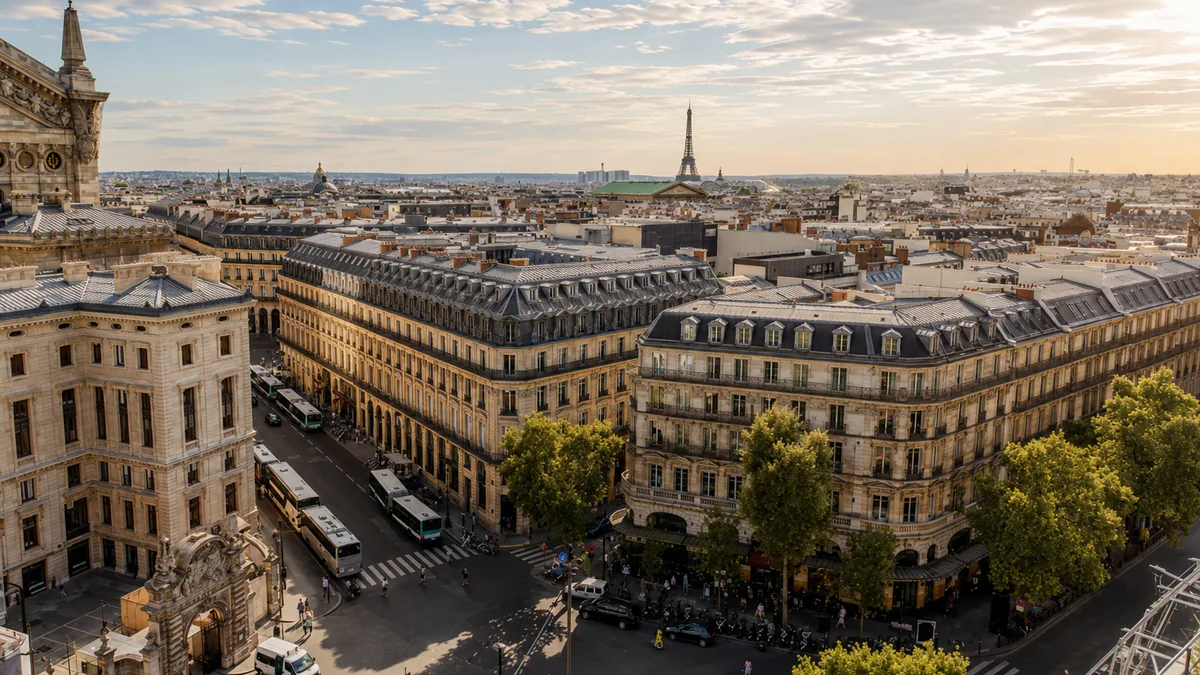
The deepest supply of hotel ballrooms and conference floors in central Paris, wrapped around the Palais Garnier. Delegate logistics are the easiest of any district on this list — Métro interchanges on the doorstep and rooms that already have the AV rigged rather than rooms you rig. The trade-off is atmosphere: once the offices empty the streets do too, so an evening programme here loses the surrounding life the Marais or the canal would have given it.
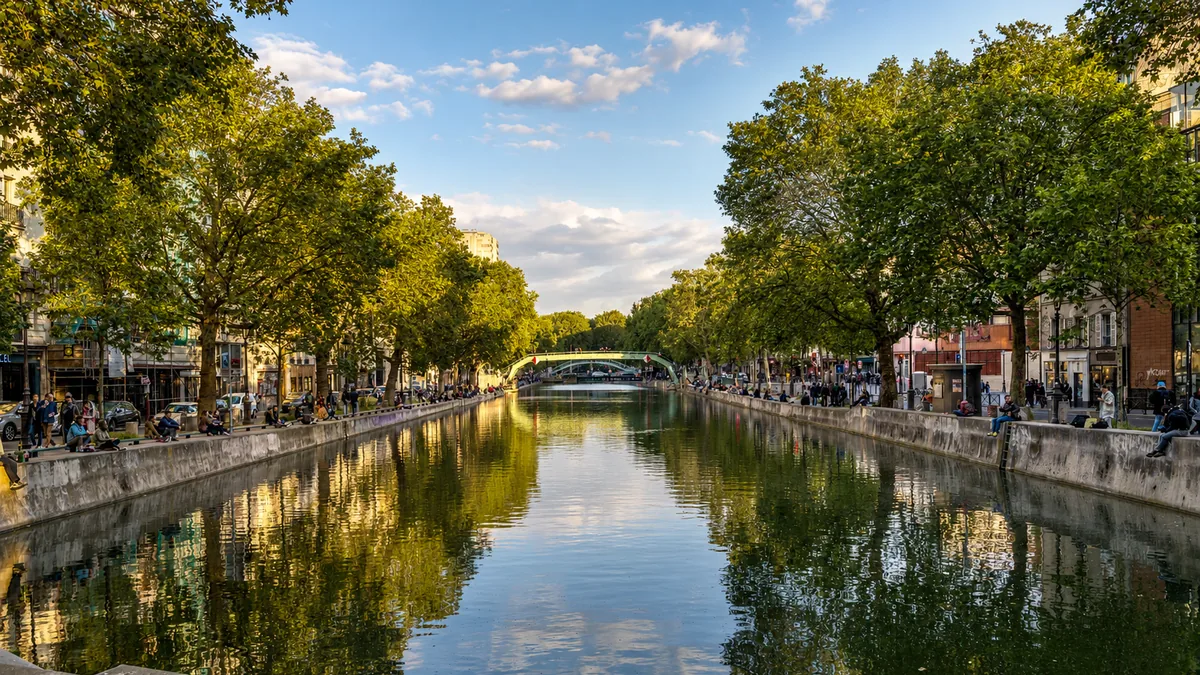
Warehouses, independent venues and rooms with a younger crowd already in them, along a canal people sit beside until it gets dark. The right answer for launches, community nights and anything that would look overdressed in the 8th. Cheapest per square metre of the central districts, and the easiest place in Paris to run late without a licence conversation.
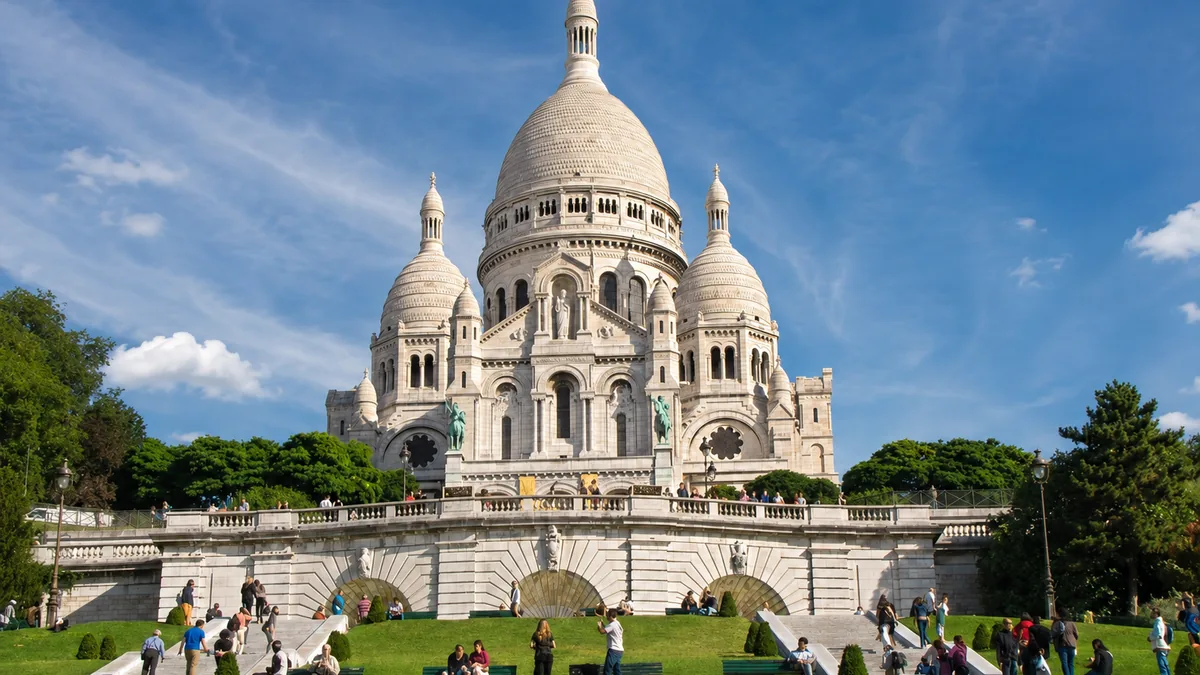
The butte, with Sacré-Cœur at the top of it. Cabarets, terraces and hillside rooms that come with a view of the entire city, which is worth a great deal for an evening reception or a creative format. One hard production constraint: the streets are steep, narrow and often stepped, so vehicle access and equipment routing have to be checked venue by venue rather than assumed.
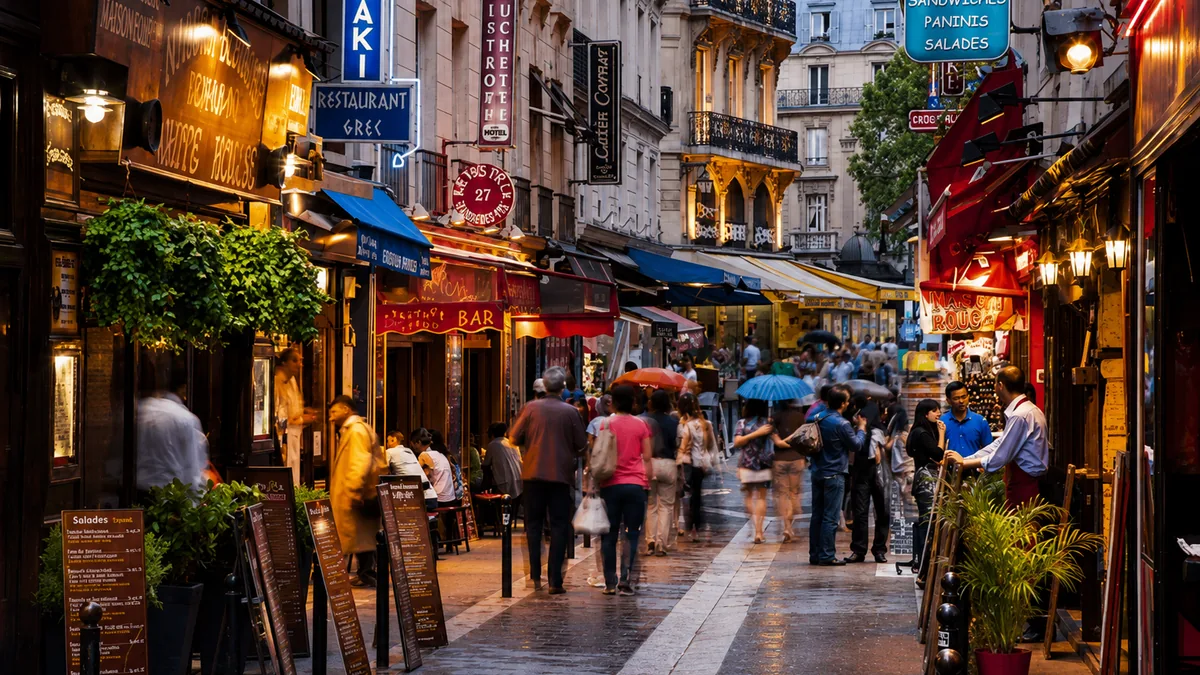
The university quarter: the Sorbonne, the grandes écoles and the research institutes, with lecture theatres that seat several hundred and streets of bistros around them for the social half of a programme. The natural home for academic, scientific and research-facing formats. The buildings are old, so confirm the real available power and the lift dimensions before committing to a technical build.
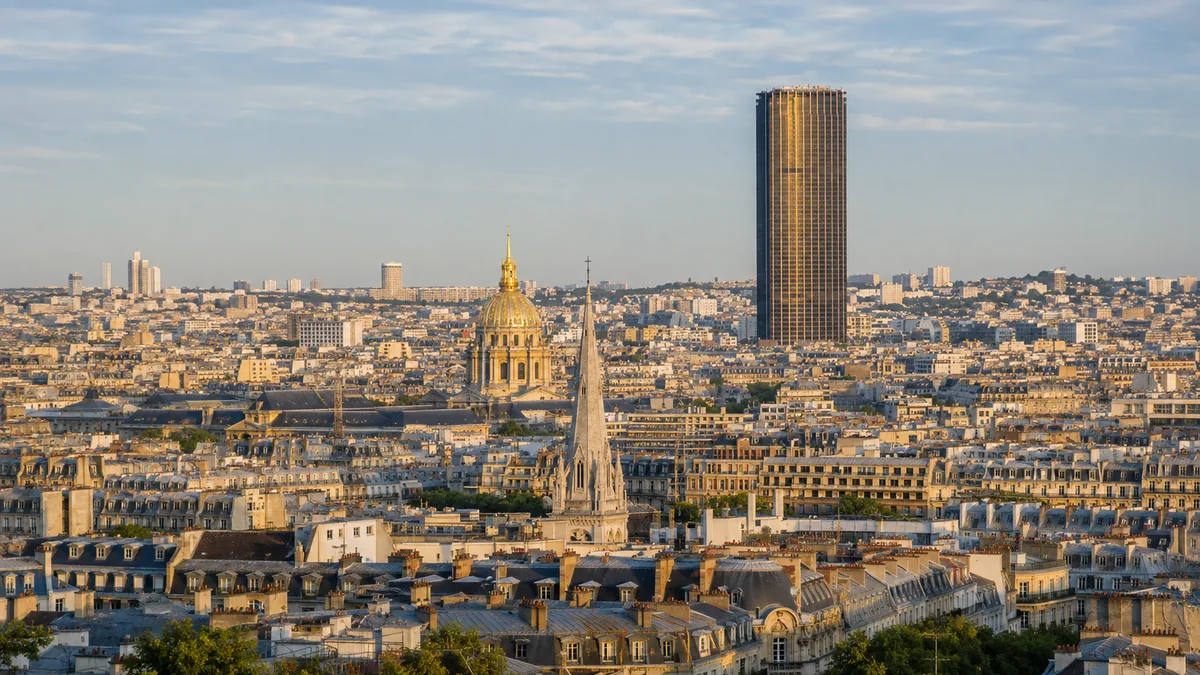
The one part of central Paris with real height. Tower-top rooms give a full panorama including the Eiffel Tower, which no ground-floor venue in the city can offer, and the district carries large-capacity hotel and conference space underneath. It is also within walking distance of Porte de Versailles, which matters in June and across the October fortnight when everything closer has gone.
Very little of Paris rules itself out, but not everywhere suits a hosted event. The CDG and Roissy corridor is the clearest case: roughly 25 km northeast of the city and 45 to 70 minutes door to door depending on traffic, with airport hotels and nothing walkable around them. Fine for an arrivals or departures night, wrong for anything guests are expected to attend. Opéra and the Grands Boulevards are the other to think about — not for the venues, which are among the best in the city, but because the district empties once the offices do, so an evening programme there loses the surrounding life the Marais or Canal Saint-Martin would have given it.
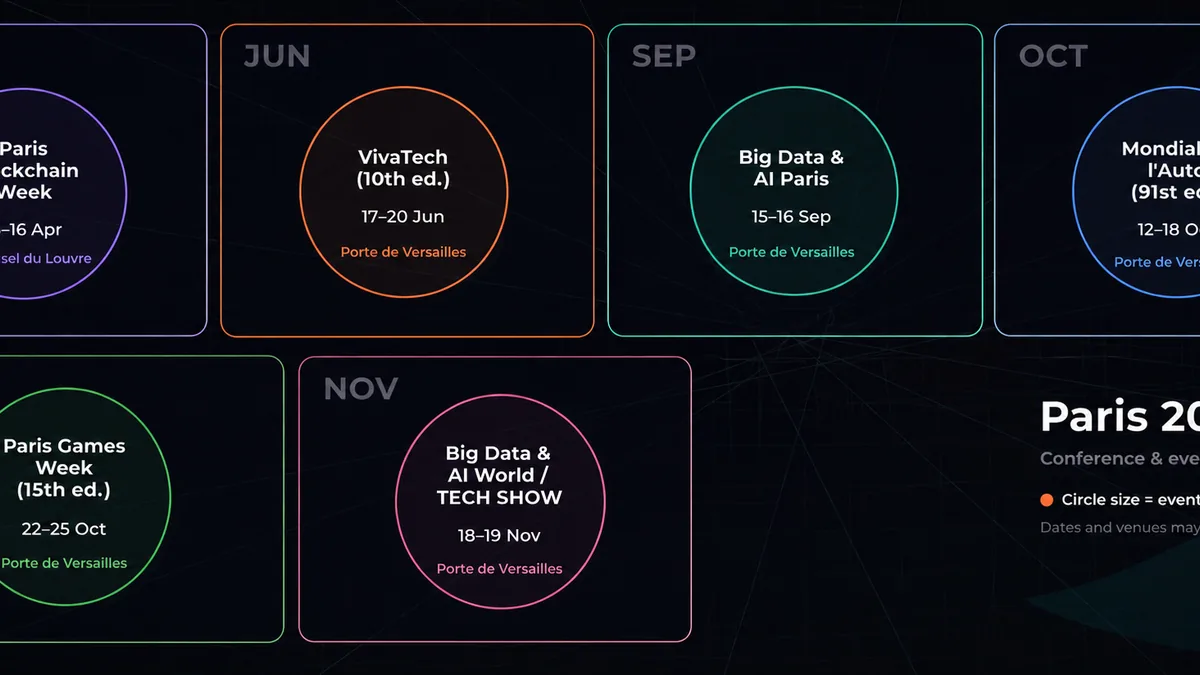
The bigger planning point is timing rather than geography. The Mondial de l’Auto and Paris Games Week run back to back at Porte de Versailles from 12 to 25 October, and VivaTech takes the city in June — those weeks decide availability across the 15th and 16th long before you choose a district. Two further Paris-specific traps: venues, caterers and technical suppliers close for the annual break in August, and December is company-party season, which takes the best private rooms off the market from early November.
The right Paris district comes down to format, guest count and time of day. For side events, community nights and anything that needs to run late, Bastille and the 11th are the default — the venues take real numbers and the licences allow it. For galas, award ceremonies and receptions where the address matters, the 8th is worth its premium. For dinners and activations between 20 and 100 guests, Le Marais gives a room with character at the right scale.
For conferences that need room blocks and exhibition space, the Eiffel Tower stretch and Montparnasse are the realistic options, with Porte de Versailles for anything at hall scale, and Opéra when delegate logistics matter more than atmosphere. Riverside receptions and dinner boats belong on the quais by Saint-Germain. Academic and research-facing formats sit naturally in the Latin Quarter, and evening receptions that want a view belong in Montmartre. For a broader view of CH3’s work in the city, see our Paris event agency page.
Quick-reference guide to the event districts of Paris by capacity, budget positioning and best use case.
| District | Typical Capacity | Budget | Best For | Time of Day |
|---|---|---|---|---|
| Champs-Élysées & the 8th | 50–400 | High | Galas, corporate receptions, company parties | Day & Evening |
| Bastille & the 11th | 100–500 | Mid | Conferences, side events, community nights | Day & Evening |
| Eiffel Tower & Trocadéro | 100–2,000+ | High | Conferences, multi-day programmes, exhibitions | Day |
| Le Marais | 20–100 | Mid–High | Private dining, brand activations | Evening |
| Saint-Germain-des-Prés & the Quais | 20–200 | Mid–High | Riverside receptions, private dinners, VIP formats | Evening |
| Opéra & Grands Boulevards | 100–800 | Mid–High | Corporate conferences, hotel-based programmes | Day |
| Canal Saint-Martin & the 10th | 50–400 | Low–Mid | Launches, community events, late programming | Evening |
| Montmartre & the 18th | 40–300 | Mid | Evening formats, creative activations | Evening |
| Latin Quarter & the 5th | 80–600 | Low–Mid | Academic and research-facing formats | Day |
| Montparnasse & the 14th | 100–1,000+ | Mid | Panoramic receptions, large conferences | Day & Evening |
Capacities are indicative ranges by venue type. Exact per-venue maximums confirmed on request.
Quick answers about the best event districts and neighbourhoods in Paris.